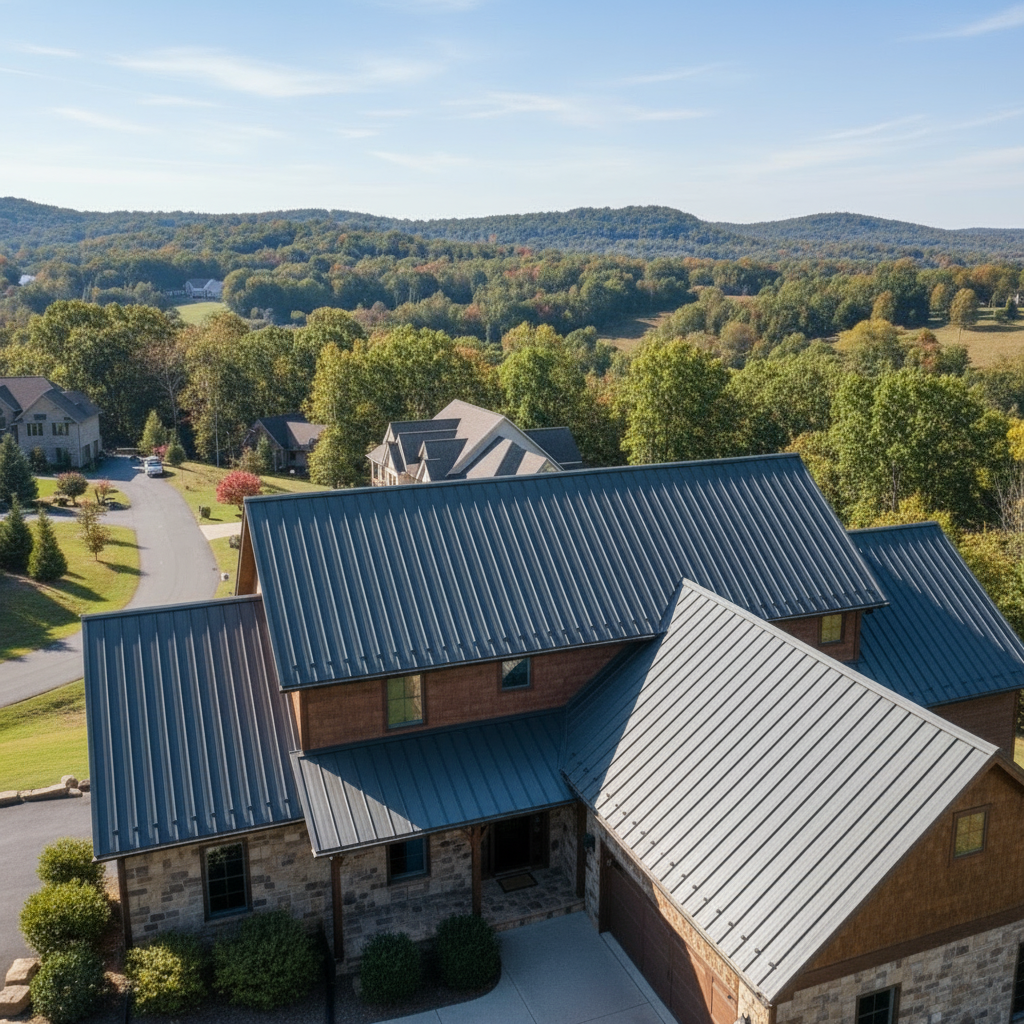
If you are asking how much does a metal roof cost in West Virginia, you are probably trying to balance two things at once. You want a roof that can handle the weather, and you want pricing that makes sense for your home and budget. That is a smart place to start. In West Virginia, a metal roof is often a bigger upfront investment than asphalt shingles, but it can also offer longer life, better durability, and stronger long term value.
For most homeowners in West Virginia, metal roofing costs usually fall somewhere between $8 and $18 per square foot installed, with many full roof replacement projects landing between $16,000 and $45,000 or more. That is a wide range, and there is a reason for that. Roof size matters, but so do roof pitch, design complexity, tear off work, material choice, trim details, and any repairs needed underneath the old roof.
At Eclipse Construction, many homeowners ask for one simple number. The challenge is that there is no single statewide price that fits every house. A one story ranch in a more open area may cost much less than a steep roof with multiple valleys on a hillside property. Homes across West Virginia also deal with different conditions, from heavy rain and wind to snow loads and freeze thaw cycles. Those local factors can affect both the roofing system you choose and the final project cost.
This guide breaks down what homeowners in West Virginia can realistically expect to pay, what drives the final price, and whether a metal roof is worth the investment. The goal is to make pricing easier to understand so you can compare options with confidence and know when it makes sense to request a professional estimate.
Average Metal Roof Cost in West Virginia
When looking at metal roof cost West Virginia homeowners should expect pricing to vary based on the roofing system, the home itself, and the amount of labor involved. In general, exposed fastener metal roofing costs less than standing seam. Steel is often more affordable than aluminum. Premium metals and more detailed roof designs usually push the price higher.
A realistic statewide planning range for metal roofing is $8 to $18 per square foot installed. On simpler homes with more basic panel systems, the cost may stay near the lower end of that range. On larger or more complex homes with premium materials, it may move well above it.
Here is a practical look at estimated metal roof pricing by roof size in West Virginia.
| Roof Size | Estimated Cost Range | Best For |
| 1,000 square feet | $8,000 to $18,000 | Smaller homes, cabins, and simple roof layouts |
| 1,500 square feet | $12,000 to $27,000 | Small to mid size homes |
| 2,000 square feet | $16,000 to $36,000 | Average single family homes |
| 2,500 square feet | $20,000 to $45,000 | Larger homes with more roof area |
| 3,000 square feet | $24,000 to $54,000 | Large homes or more complex roof designs |
These numbers are best used as planning ranges, not exact quotes. Two homes with the same square footage can have very different roofing costs. One may have a simple layout with easy access, while the other has dormers, valleys, skylights, chimney flashing, and steep slopes that add time and labor. That is one reason West Virginia metal roofing prices can vary so much from one property to another.
It is also important to remember that roof square footage is not always the same as house square footage. A home listed at 2,000 square feet may have a larger roof surface once pitch, overhangs, and design features are included. That is why roofers measure the actual roof rather than relying only on the home’s floor plan.
What Homeowners in West Virginia Can Expect to Pay
Most homeowners want to know what their own house is likely to cost, not just what the average might be. That is where it helps to break pricing into a few categories. The final number usually comes from a combination of roof size, roofing material, and the complexity of the home.
Cost By Roof Size
Roof size is the starting point for almost every estimate. More roof area means more panels, more underlayment, more trim, and more labor. In many cases, larger roofs also create more waste because panels need to be cut around ridges, valleys, and roof penetrations.
A smaller home with a simple roof may fall near the lower end of the statewide range. For example, a modest home with an exposed fastener steel roof may cost around $8,000 to $15,000 depending on layout and tear off needs. A mid size home with a standing seam system may land closer to $18,000 to $30,000. Larger homes with more detailed roof lines can move well beyond that.
Homeowners should also keep in mind that a roof replacement quote is based on roofing squares and actual roof measurements, not just interior living space. If the roof is steep or has several sections, the installed price can rise even if the home does not look especially large from the street.
Cost By Metal Roofing Type
The type of metal roofing system has a major impact on price. Some systems are designed to keep upfront costs lower, while others are built for longer life, cleaner appearance, and stronger weather performance.
Exposed fastener panels are usually the most budget friendly option. These systems use visible screws that secure the panels in place. They can be a practical choice for homeowners who want the benefits of metal roofing without the higher cost of a premium system.
Standing seam metal roofing usually costs more. The panels use concealed fasteners, which means the screws are hidden rather than exposed on the surface. This creates a cleaner look and often improves long term performance. Many homeowners who ask about standing seam metal roof cost are comparing appearance, maintenance, and lifespan along with price.
Aluminum roofing can also cost more than steel. It is valued for its corrosion resistance and lighter weight, but it is not always necessary for every home. Steel is often the more common choice because it offers a strong balance of durability and value.
Cost By Home Complexity
Home complexity is one of the biggest reasons estimates can vary. A simple roof with long, straight runs is faster to install than a roof with multiple valleys, dormers, chimneys, skylights, and elevation changes. More detailed work means more labor, more trim, and more opportunities for cutting and waste.
In West Virginia, terrain can also play a role. Some homes are built on slopes or in tighter areas where access is more difficult. Crews may need more setup time, more safety planning, and more effort to move materials. Those job site conditions can affect labor costs even before the first panel is installed.
That is why online averages only go so far. They can help with budgeting, but they do not show the full picture for your property. A professional inspection is what turns a broad estimate into a useful number.
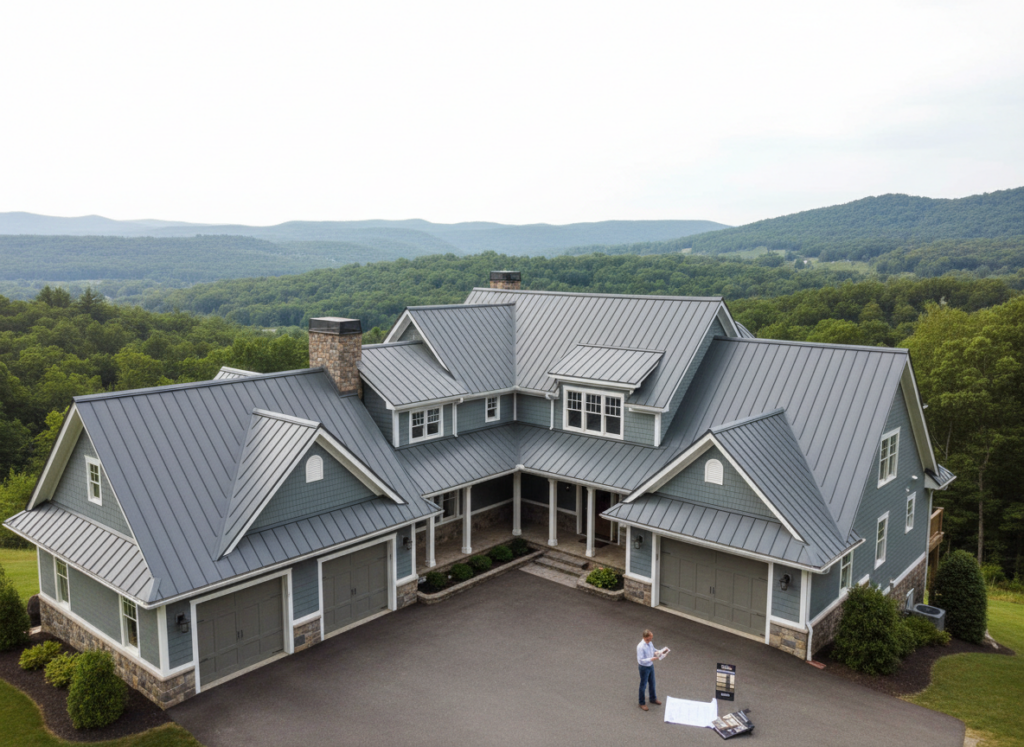
What Affects the Cost of a Metal Roof
A metal roof estimate is made up of several moving parts. Understanding those parts can help homeowners compare bids more clearly and avoid focusing only on the bottom line. The lowest quote is not always the best value if key materials, repairs, or installation details are missing.
Roof Size
Roof size is the foundation of the estimate. The larger the roof, the more material and labor the project requires. Roofers usually calculate the total roof area in squares, with one roofing square equal to 100 square feet. That helps create a more accurate material list and labor plan.
Still, size alone does not tell the whole story. A larger simple roof may sometimes cost less per square foot than a smaller but more detailed roof. That is because labor efficiency matters too.
Roof Pitch And Design Complexity
Pitch refers to how steep the roof is. A steeper roof is harder to work on, takes more time to install, and often requires extra safety equipment. That added labor can raise the installed metal roof cost per square foot.
Complex design also affects cost. Valleys, dormers, skylights, chimneys, and intersecting roof lines all require more custom fitting and flashing work. These details are important because they are often the areas where water management matters most. A roof with more detail work takes longer to install correctly, and that shows up in the estimate.
Tear Off Of Old Roofing
If the old roof needs to be removed, tear off and disposal costs are added to the project. This is common in full roof replacement jobs. The amount of labor depends on the type of existing roofing, how many layers are present, and how easy it is to remove and haul away the debris.
A roof with multiple old layers can take longer and cost more to remove. Cleanup and disposal fees also vary by job. While tear off adds to the upfront cost, it can be an important step if the goal is to inspect the roof deck and build the new system on a clean, solid base.
Underlayment And Decking Repairs
Underlayment is the protective layer installed between the roof deck and the metal panels. It helps manage moisture and adds another level of protection. Decking is the wood surface underneath the roofing material. If that decking has soft spots, moisture damage, or rot, repairs may be needed before the new roof can be installed.
This is one of the most important reasons estimates can change after a roof is opened up. Damage is not always visible from the outside. A contractor can often identify likely problem areas during an inspection, but some issues only show up once the old roofing is removed.
Labor Costs
Labor is a major part of any roofing estimate. Metal roofing usually requires skilled installation, especially with standing seam systems or more complex roof layouts. A trained crew may cost more than a basic installation team, but proper workmanship matters. A poorly installed metal roof can lead to leaks, loose panels, noise concerns, and a shorter service life.
In West Virginia, labor costs can also be influenced by travel, site access, roof difficulty, and regional demand. The goal should not be to find the cheapest labor. It should be to find a qualified installer who can build the system correctly.
Material Choice
Different metals come with different price points. Steel is often the most common choice because it balances cost and durability well. Aluminum tends to cost more but offers strong corrosion resistance. Premium metals can cost much more and are usually selected for high end appearance or specialty performance.
Finish quality matters too. Protective coatings can affect both price and long term durability. A lower cost panel may save money upfront, but if the finish does not hold up well over time, the long term value may not be as strong.
Coatings, Trim, And Accessories
The visible panels are only one part of the roof system. Trim, flashing, ridge caps, pipe boots, sealants, ventilation components, and snow management accessories all contribute to the final cost. These details are easy to overlook when comparing estimates, but they matter for both performance and appearance.
In West Virginia, snow and water management can be especially important. Homes in areas with heavier winter weather may need planning around snow movement and drainage. Those details can add cost, but they also help protect the home over time.
Metal Roof Cost by Material Type
Not all metal roofs are priced the same, and not all of them perform the same way over time. For homeowners in West Virginia, the right choice often comes down to budget, appearance, maintenance expectations, and how long they plan to stay in the home. Some systems are built around affordability, while others are designed for stronger long term performance and a more refined look.
Here is a side by side view of common metal roofing options and what homeowners can generally expect.
| Material Type | Estimated Cost Per Square Foot | Lifespan | Key Benefits |
| Exposed fastener steel panels | $8 to $12 | 25 to 40 years | Lower upfront cost, practical for many homes |
| Standing seam steel | $10 to $16 | 40 to 60 years | Clean appearance, concealed fasteners, strong durability |
| Aluminum roofing | $11 to $17 | 40 to 60 years | Rust resistance, lighter weight |
| Premium metal systems | $15 to $22 or more | 50 years or more | High end appearance, long life, specialty performance |
These ranges are broad, but they help explain why one metal roof estimate may be much higher than another. Homeowners are not always comparing the same system, even when both quotes say metal roofing.
Standing Seam Metal Roofing
Standing seam is often the option homeowners picture when they think of a premium metal roof. The panels run vertically and connect with raised seams. The fasteners are concealed, which means the screws are hidden beneath the panel system rather than exposed on the surface.
That design gives the standing seam a cleaner appearance and can reduce some long term maintenance concerns. It is also one reason standing seam metal roof cost is usually higher. The materials are more advanced, and the installation process requires more precision. For homeowners who want a more polished look and stronger long term performance, standing seam is often worth considering.
In West Virginia, standing seam can be especially appealing for homeowners who want a roof built to handle years of changing weather with less concern about exposed fastener wear. It is not the lowest cost option, but it is often one of the strongest long term value options.
Exposed Fastener Metal Roofing
Exposed fastener systems are usually the most affordable type of metal roofing. The panels are secured with visible screws, which makes the system more budget friendly and often faster to install. For homeowners focused on upfront cost, this can be a practical way to move into metal roofing without the price of standing seam.
That said, lower cost does not mean the system is right for every home. Because the fasteners are exposed to the weather, they may need more attention over time. This does not make exposed fastener roofing a bad option. It simply means homeowners should understand the tradeoff between lower initial cost and long term maintenance expectations.
For many homes in West Virginia, exposed fastener metal roofing can still be a solid choice, especially on simpler roof layouts where the goal is durability and value without stretching the budget too far.
Steel Roofing
Steel is one of the most common residential metal roofing materials because it offers a strong balance of cost, durability, and availability. It works well for many homes and can be used in both exposed fastener and standing seam systems.
Most homeowners looking at metal roof cost West Virginia will end up comparing steel options first. That is because steel often provides the most practical mix of performance and price. With the right coating and proper installation, it can hold up well against rain, snow, and seasonal weather changes.
Aluminum Roofing
Aluminum roofing is often chosen for its corrosion resistance and lighter weight. It can be a strong option in certain environments, though it usually costs more than steel. For some homeowners, that extra cost is worth it. For others, steel remains the more practical choice.
The best fit depends on the home, the location, and the homeowner’s priorities. If the goal is simply the lowest possible price, aluminum may not be the first option. If the goal is lighter weight and resistance to corrosion, it may deserve a closer look.
Premium Metal Options
Some homeowners ask about premium metals or specialty systems. These can include high end materials selected for appearance, longer lifespan, or unique performance benefits. They are usually the most expensive category and are not necessary for every home.
For most West Virginia homeowners, the main comparison comes down to exposed fastener steel versus standing seam steel, with aluminum as another option depending on the project. Premium systems may make sense for custom homes or homeowners who place a high value on design and long term finish quality.
Is a Metal Roof Worth the Cost in West Virginia
This is one of the most important questions a homeowner can ask, because it gets to the heart of the decision. A metal roof usually costs more upfront, so the real issue is whether that added cost brings enough value over time.
For many homeowners in West Virginia, the answer is yes. The state’s weather creates real demands on a roofing system. Heavy rain, snow, wind, ice, and freeze thaw cycles can wear down lower grade materials faster. A well installed metal roof can offer strong performance in those conditions and may last much longer than a standard asphalt shingle roof.
That long term durability is a major reason many homeowners see metal as a smart investment. Instead of focusing only on the first project cost, they look at how long the roof is likely to last, how much maintenance it may need, and how well it can protect the home through changing seasons.
A metal roof can also support energy efficiency, especially when reflective finishes are used. While savings vary from home to home, some homeowners appreciate the way metal roofing helps manage heat gain. Over time, that can become part of the value conversation.
Maintenance is another factor. No roof is completely maintenance free, but many metal roofing systems require less ongoing attention than homeowners expect. That can be especially appealing for people who want a roof built for long term performance rather than frequent repair cycles.
At the same time, metal is not automatically the best fit for every house or every budget. If the main goal is the lowest pos
sible upfront price, asphalt shingles may still be the more practical choice. But if the homeowner plans to stay in the home for many years and wants stronger long term value, metal often becomes much easier to justify.
That is why the question is whether a metal roof worth it in West Virginia usually comes down to time horizon. If the home is a long term investment, metal roofing often makes more sense. If the plan is short term ownership or the budget is very tight, the answer may be different.
Metal Roof vs Asphalt Shingle Cost
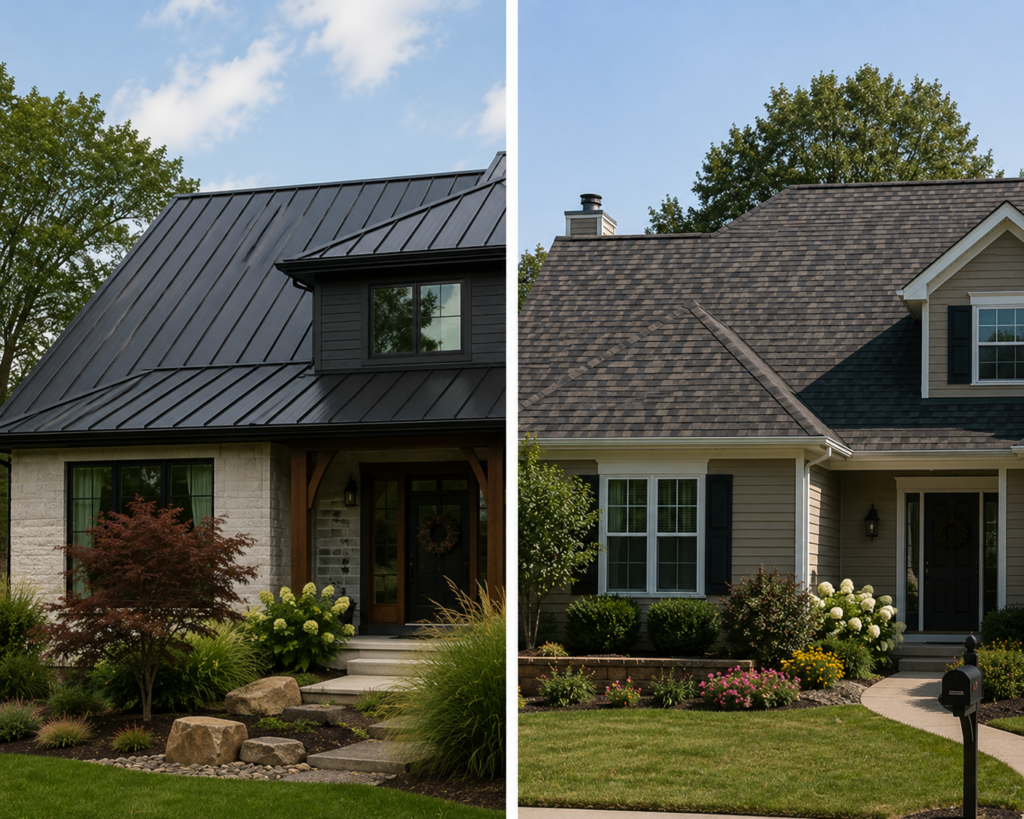
For many homeowners, the real comparison is not just metal roofing by itself. It is metal roofing versus asphalt shingles. That is a fair comparison, because asphalt is still the most common roofing material on many homes across West Virginia.
Asphalt shingles usually cost less upfront. That lower entry price is the main reason they remain popular. A homeowner replacing a roof on a tight budget may find asphalt easier to move forward with in the short term. In many cases, asphalt roof replacement costs may fall somewhere around $4 to $8 per square foot installed, though the final number still depends on the roof and the materials used.
Metal roofing usually starts higher, often in the $8 to $18 per square foot range or more. On the surface, that can make asphalt look like the easy winner. But the long term picture is more complicated.
| Roofing Type | Typical Installed Cost Per Square Foot | Typical Lifespan | Value Consideration |
| Asphalt shingles | $4 to $8 | 15 to 30 years | Lower upfront cost, may need replacement sooner |
| Metal roofing | $8 to $18 | 25 to 60 years or more | Higher upfront cost, stronger long term value |
The biggest difference is lifespan. A metal roof may last much longer than an asphalt shingle roof, depending on the system and installation quality. That means the homeowner may avoid one or more future replacement cycles. When viewed over decades rather than just the first invoice, the cost gap can narrow.
There is also the issue of weather performance. In a state like West Virginia, where homes can face heavy rain, snow, wind, and seasonal swings, some homeowners are willing to pay more for a roofing system that feels more durable and dependable over time.
This is why homeowners comparing the cost to replace a roof in West Virginia should not look only at the initial quote. They should also ask what they are getting in return. A lower price today may still cost more over the life of the home if the roof needs to be replaced sooner or requires more ongoing repairs.
That does not mean asphalt is a poor choice. It can still be the right solution for many homes. But for homeowners who want a longer lasting roof and are willing to invest more upfront, metal often offers stronger value.
How to Get an Accurate Metal Roof Estimate
Online averages are useful for planning, but they can only take you so far. They are good for setting expectations, not for making a final decision. The only way to know what your home is likely to cost is to have the roof inspected and measured by a qualified contractor.
That inspection matters because two homes with the same square footage can produce very different estimates. One may have a simple roof line and easy access. The other may have steep slopes, several valleys, chimney flashing, skylights, or hidden deck damage. Those differences change the labor, material needs, and overall project scope.
A good estimate should include more than a single total. It should explain what is included in the project and how the price was built. That usually means details such as:
-
- Actual roof measurements
-
- Type of metal roofing system
-
- Tear off and disposal of old roofing
-
- Underlayment included in the system
-
- Flashing and trim details
-
- Ventilation components if needed
-
- Cleanup and site protection
-
- Any expected decking repairs or allowances
When homeowners receive estimates that are very different from one another, the reason is often in those details. One quote may include a more complete system, while another may leave out important items that show up later as added costs. That is why it helps to compare scope, not just price.
At Eclipse Construction, the goal is to help homeowners understand what they are paying for and why. In West Virginia, that local perspective matters. Homes across the state face different conditions, and roofing systems need to be matched to those real world demands. A roof in an area with heavier snow may need different planning than one dealing mostly with rain, tree cover, or wind exposure.
An accurate estimate is not just about getting a number. It is about getting a number that reflects the actual home, the actual roof, and the actual work needed to do the job right.
FAQs About Metal Roof Costs in West Virginia
How much does a metal roof cost in West Virginia for an average home?
For many average size homes in West Virginia, a metal roof often falls somewhere between $16,000 and $36,000. That said, some projects come in below that range and some go well above it. The final number depends on the actual roof size, the type of metal roofing system, the steepness of the roof, the amount of tear off work, and whether repairs are needed under the old roof. A simple home with exposed fastener panels will usually cost less than a larger or more complex home with a standing seam system.
What is the average metal roof cost per square foot in West Virginia?
A realistic planning range for installed metal roofing in West Virginia is usually about $8 to $18 per square foot. Lower cost projects often involve simpler roof layouts and more budget friendly panel systems. Higher cost projects usually include standing seam panels, more detailed trim work, steeper roofs, or premium materials. This is why homeowners should treat online averages as a starting point rather than a final quote.
Why does standing seam metal roofing cost more?
Standing seam usually costs more because both the material and the installation process are more advanced. The fasteners are concealed, which creates a cleaner appearance and can improve long term performance. The panels also require more precise installation than many exposed fastener systems. For homeowners who want a more refined look and stronger long term value, that added cost can make sense, but it is important to compare it against the overall project budget.
Does roof pitch really make that much difference in price?
Yes, roof pitch can make a major difference. A steeper roof is harder to work on, takes more time to install, and often requires extra safety equipment and slower installation. That increases labor costs. Roof pitch also affects how materials are handled on site and how much effort is needed to complete flashing and trim details. Even if two homes have similar square footage, the steeper roof may cost noticeably more.
Is metal roofing a good choice for snow and rain in West Virginia?
In many cases, yes. Metal roofing can perform very well in the kind of weather West Virginia homeowners deal with each year. Heavy rain, winter snow, and changing seasonal conditions all put stress on a roof. A properly installed metal roof can shed water efficiently, hold up well over time, and provide strong durability in demanding weather. The key is making sure the roof system is installed correctly and matched to the home.
Will a metal roof save money over time?
It can, especially for homeowners who plan to stay in the home for many years. A metal roof often lasts longer than asphalt shingles and may need less maintenance over time. Some systems can also support better energy performance, depending on the material and finish. The exact savings will vary, but many homeowners see value in avoiding earlier replacement cycles and reducing the chance of repeated repair costs.
Is a metal roof always better than asphalt shingles?
Not always. Metal roofing is often the better long term investment, but asphalt shingles can still be the right choice for some homes. If the budget is tight and the main goal is a lower upfront cost, asphalt may be the more practical option. If the homeowner wants longer life, stronger weather resistance, and better long term value, metal may be the better fit. The right answer depends on the home, the budget, and how long the owner plans to keep the property.
Conclusion
A metal roof is a major investment, so it makes sense to look closely at the numbers before making a decision. For most homeowners in West Virginia, the cost is higher upfront than asphalt shingles, but the long term value can be much stronger. When you factor in lifespan, durability, weather performance, and lower maintenance needs, metal roofing often stands out as a smart option for homeowners who want lasting protection.
The most important thing to remember is that no online average can fully price your roof. The shape of the home, the slope of the roof, the material you choose, and the condition of the existing system all affect the final number. That is why the best next step is not guessing from a national calculator. It is getting a local inspection and a clear estimate based on your actual home.
Eclipse Construction helps homeowners across West Virginia understand their roofing options in a practical, straightforward way. If you are comparing materials, planning a roof replacement, or trying to decide whether metal is worth the cost, a professional estimate can give you real numbers and real clarity without pressure.